Fitness audio is a high-SPL, long-duration application in acoustically terrible rooms. Mirrors, rubber floors and hard walls reflect everything, and the instructor still has to be understood over the music.
Specify for sustained high output, distribute speakers around the room rather than at one end, give the instructor a dedicated headset channel with priority, and treat reflective surfaces where possible.
Design for sustained output, not peaks
A studio system runs near maximum for an hour at a time, several times a day. Choose cabinets and amplifiers with comfortable headroom so nothing runs at its limit.
Undersized systems in gyms fail quickly. Thermal stress on drivers is cumulative.
Distribute speakers around the room
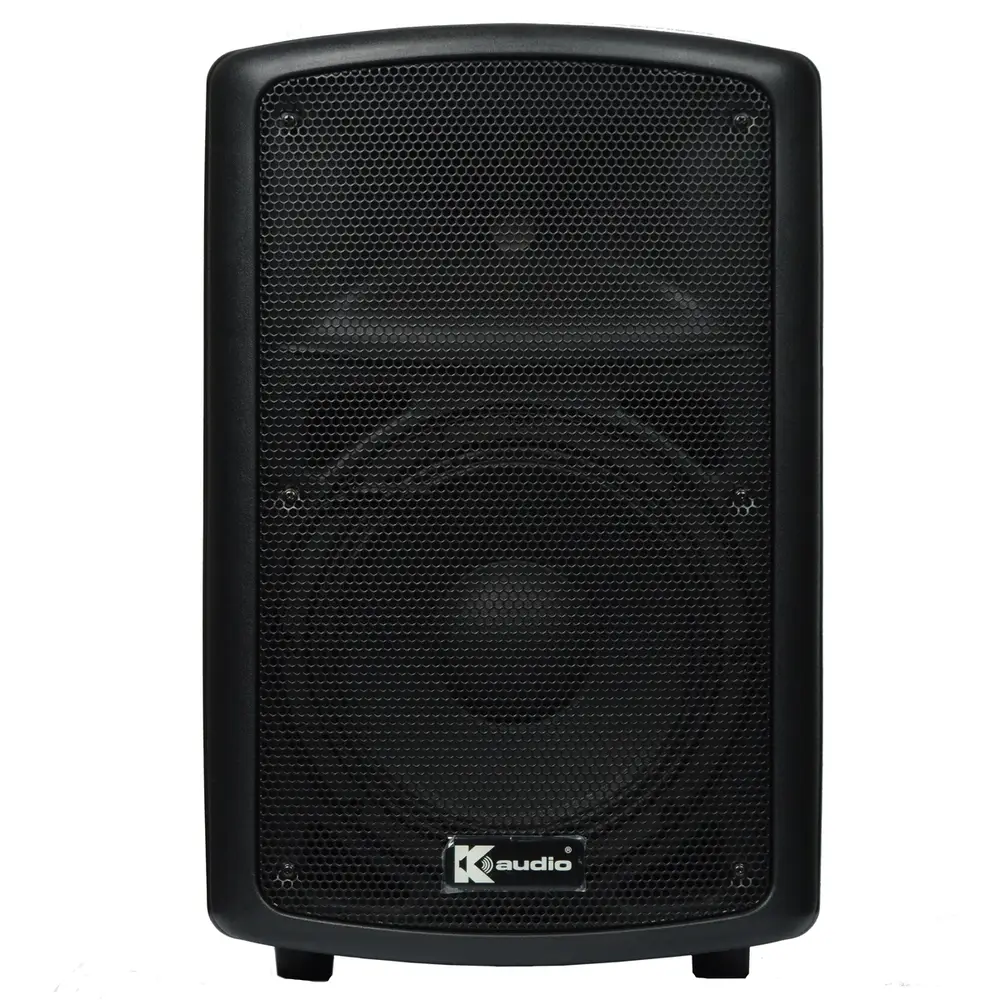
Four smaller cabinets in the corners beat two large ones at the front. Members spread across the whole floor and turn to face different directions during a class.
Even coverage also means you can run a lower absolute level for the same perceived energy, which reduces complaints and fatigue.
The instructor must cut through the music
A headset microphone on a dedicated wireless channel, with its own EQ and priority over the music channel, is essential. Instructors move constantly, so handheld is not workable.
Set up simple ducking or just brief the instructor to use the mixer's music fader between tracks.
Control the room, not just the system
Mirrors and hard floors create slap echo that destroys speech intelligibility. Some acoustic treatment on the rear wall pays back more than a speaker upgrade.
Aim speakers at people rather than across bare walls wherever the layout allows.
| Space | Typical level | Speakers | Instructor mic |
|---|---|---|---|
| Main gym floor | 80 to 90 dB | Distributed ceiling or wall | Optional |
| Class studio | 95 to 100 dB | 4 corner cabinets plus sub | Headset, essential |
| Spin studio | 95 to 100 dB | 4 to 6 cabinets plus sub | Headset, essential |
| Reception | Low background | Ceiling | None |
Hearing safety and exposure limits
Instructors are employees exposed for several hours daily. Many jurisdictions set workplace noise exposure limits that a poorly specified studio system will exceed.
Setting a system limiter at a defined maximum protects both hearing and equipment, and demonstrates duty of care.
Provide a clearly marked maximum level and do not give instructors unlimited control over master volume.
Subwoofers and structural considerations
Low frequency energy transmits through building structure far more readily than mid and high frequency. In multi-tenant buildings this generates complaints from neighbours.
Decoupling the subwoofer from the floor with isolation pads reduces structural transmission substantially.
A high-pass filter on the main cabinets, with the subwoofer handling below 80 Hz, keeps the system efficient and reduces overall energy.
Equipment durability in a humid environment
Gyms are humid and dusty. Cabinets should be sealed adequately and mounted where sweat and cleaning sprays will not reach drivers.
Wireless receivers and mixers belong in a ventilated rack away from the studio floor.
Budget for headset microphone replacement as a recurring cost. They are consumables in a fitness environment.